Ten-Minute Speaking Drills for Solo Learners
For many language learners, finding a speaking partner can be challenging. Scheduling conflicts, lack of access to native speakers, or simply the discomfort of practicing with others often stand in the way of regular speaking practice. However, developing oral proficiency does not always require a conversation partner. Solo learners can make significant progress by using structured, short daily drills that focus on pronunciation and fluency. These drills can be performed at home with minimal equipment, such as a mirror or a recording device, and they fit easily into a busy schedule.
This article outlines a practical framework for ten-minute speaking drills designed for solo learners. The approach emphasizes consistency, self-awareness, and incremental improvement. While individual results may vary depending on factors such as prior exposure, motivation, and the complexity of the target language, the methods described here are intended to support a systematic practice routine. The focus is on process rather than outcome, and on building habits that can be sustained over time.
Before beginning, it is helpful to understand that these drills are not a replacement for live interaction or professional instruction. Instead, they serve as a complementary tool to maintain and enhance speaking skills when other options are limited. The following sections describe specific drill types, how to structure a ten-minute session, and how to use feedback tools like mirrors and recorders effectively.
Why Solo Speaking Drills Matter
Speaking is a productive skill that requires active use to develop. Without regular practice, pronunciation patterns may fossilize, and fluency can stagnate. For solo learners, the absence of a partner often leads to neglect of speaking practice, with more time spent on reading or listening. This imbalance can create a passive understanding of the language while leaving oral production underdeveloped. Ten-minute drills address this gap by providing a focused, low-pressure way to engage the speech organs and auditory system.
Research in second language acquisition suggests that short, frequent practice sessions are more effective than infrequent, lengthy ones. This is partly due to the way memory consolidation works: spaced repetition and regular retrieval strengthen neural pathways. A ten-minute daily commitment is manageable and can reduce the mental barrier to starting. Moreover, the solo format eliminates the social anxiety that some learners feel when speaking in front of others, allowing for more experimentation and error correction.
Another advantage is the ability to customize drills to individual needs. Learners can target specific sounds, intonation patterns, or grammatical structures that pose difficulty. They can also adjust the pace and complexity as they progress. While solo practice cannot replicate the unpredictability of real conversation, it builds a foundation of automaticity that can later be applied in interactive settings.
Setting Up Your Practice Space
Creating a conducive environment for solo speaking drills requires minimal resources. A quiet room with a mirror and a recording device is sufficient. The mirror provides visual feedback on mouth movements, lip rounding, tongue placement, and facial expressions. This is particularly useful for sounds that are not present in the learner’s native language. For example, the English /θ/ and /ð/ sounds require visible tongue placement between the teeth, which a mirror can help confirm.
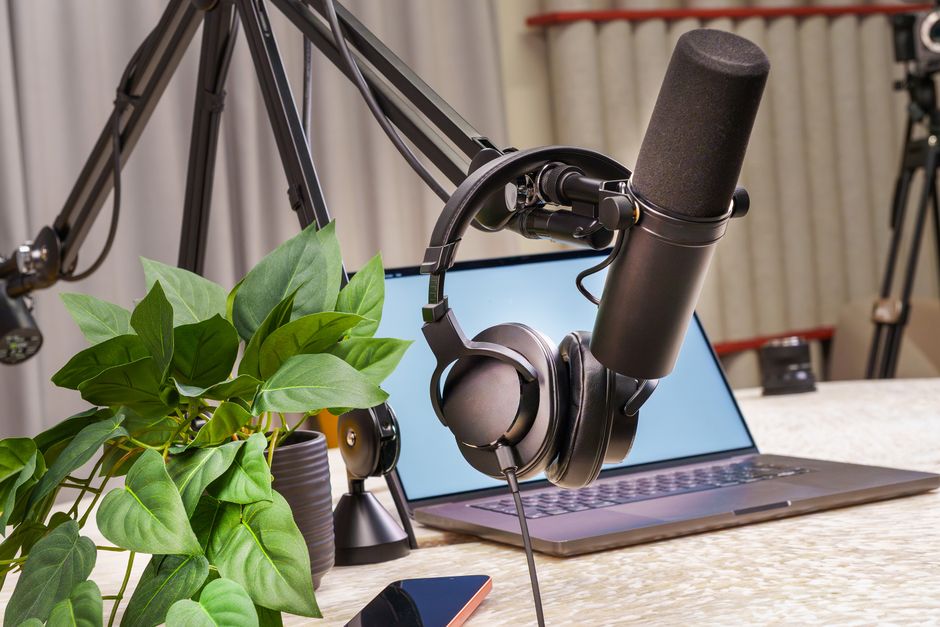
A recording device—such as a smartphone, tablet, or computer—allows learners to listen to their own speech and compare it to model pronunciations. This auditory feedback loop is essential for identifying discrepancies and tracking improvement over time. It is important to use a device that records clearly and to store recordings in a dedicated folder for easy review. Some learners find it helpful to keep a practice journal alongside recordings to note observations and areas for focus.
Before starting a session, take a few moments to relax and warm up the voice. Gentle humming, lip trills, and tongue stretches can prepare the articulators. This reduces the risk of strain and improves the quality of practice. Ensure that the room is free from distractions and that the lighting is adequate for mirror work. A consistent time and place can help cement the habit.
Core Drill Types for Pronunciation and Fluency
Several types of drills can be adapted for solo practice. The following are effective for targeting different aspects of speaking.
- Minimal pair drills: Practice contrasting sounds that are easily confused, such as /l/ and /r/ or /iː/ and /ɪ/. Say pairs like “light” and “right” or “sheep” and “ship,” focusing on distinct articulation. Record yourself and listen for clarity.
- Shadowing: Play an audio clip of a native speaker and speak along with it simultaneously. This trains rhythm, intonation, and connected speech. Start with short segments and gradually increase length.
- Self-talk: Narrate your actions or describe a recent event aloud. This builds fluency and reduces hesitation. Aim for continuous speech for one to two minutes without stopping.
- Read-aloud: Choose a short passage and read it aloud, focusing on smooth delivery and proper pausing. Record and compare your version to a model if available.
- Tongue twisters: Use phrases like “red lorry, yellow lorry” to improve articulation and speed. Start slowly and gradually increase pace while maintaining clarity.
Each drill can be performed for two to three minutes, depending on the session structure. Variety helps maintain engagement and addresses multiple skill components. It is advisable to rotate drills over the week to avoid monotony and to give attention to different areas.
Structuring a Ten-Minute Session
A ten-minute session can be divided into three phases: warm-up, core drills, and cool-down. The warm-up takes about one to two minutes and includes vocal warm-ups and a quick review of the day’s focus. The core drills occupy six to seven minutes, with two or three different activities. The cool-down is one to two minutes of free speaking or a brief reflection on what was practiced.
For example, a session might start with lip trills and tongue stretches, followed by a minimal pair drill for five minutes, then a two-minute self-talk on a familiar topic. Finally, a one-minute recording of a favorite sentence or phrase to end on a positive note. This structure provides a clear beginning, middle, and end, making the practice feel complete.
It is important to keep the session focused and not to overload it with too many goals. Pick one or two specific targets per session, such as a particular sound or a fluency aspect like reducing fillers. Over time, these small gains accumulate. Consistency is more important than intensity; daily ten-minute sessions are likely to yield more progress than occasional longer ones.
Using Mirrors and Recorders Effectively
The mirror and recorder are tools for self-assessment. When using a mirror, observe the visible aspects of speech: jaw movement, lip position, and tongue tip placement. For sounds like /f/ and /v/, check that the upper teeth are touching the lower lip. For vowels, note the degree of mouth opening and lip spreading or rounding. This visual feedback can correct errors that are difficult to detect through hearing alone.
Recordings provide an objective record of your speech. Listen for overall intelligibility, pace, and any patterns of error. It can be helpful to compare your recording to a model, such as a native speaker’s audio or a pronunciation app. However, avoid becoming overly critical; the goal is to notice areas for improvement, not to achieve perfection. Keep recordings short and focused on specific targets to make review manageable.
Over time, comparing older recordings to newer ones can reveal progress that might otherwise go unnoticed. This can be motivating and can inform adjustments to the practice plan. Some learners find it useful to transcribe a short segment of their recording to identify grammatical or lexical issues as well.
“The mirror and the recorder are not judges; they are guides that provide information for informed adjustments.”
Integrating these tools into a ten-minute drill requires little extra time. Simply set up the recorder before starting and glance at the mirror during articulation drills. The key is to use them consistently and to focus on one or two aspects at a time.
Overcoming Common Challenges
Solo learners may face challenges such as lack of motivation, difficulty hearing their own errors, or plateaus in progress. To maintain motivation, set small, achievable goals and track them. For instance, aim to master a specific sound within a week, or to speak for two minutes without hesitation. Celebrate these milestones to reinforce the habit.
Hearing one’s own errors can be difficult, especially for sounds that do not exist in the native language. In such cases, using a pronunciation app or online resource that provides visual waveforms or feedback can help. Alternatively, recording and slowing down playback can make discrepancies more noticeable. Seeking feedback from a tutor or advanced speaker occasionally can also provide external validation.
Plateaus are natural in language learning. When progress seems to stall, vary the drills or increase the difficulty slightly. For example, move from reading aloud to speaking spontaneously, or from single words to full sentences. Sometimes taking a break from a specific drill and returning to it later can lead to breakthroughs. Patience and persistence are key.
Remember that solo drills are one part of a broader language learning strategy. They are most effective when combined with listening, reading, and, when possible, real interaction. The ten-minute daily practice is a manageable commitment that can yield gradual improvements in pronunciation and fluency. With consistent effort and thoughtful use of tools like mirrors and recorders, solo learners can make meaningful strides in their speaking skills.