Listening Practice with Podcasts for Intermediate Learners
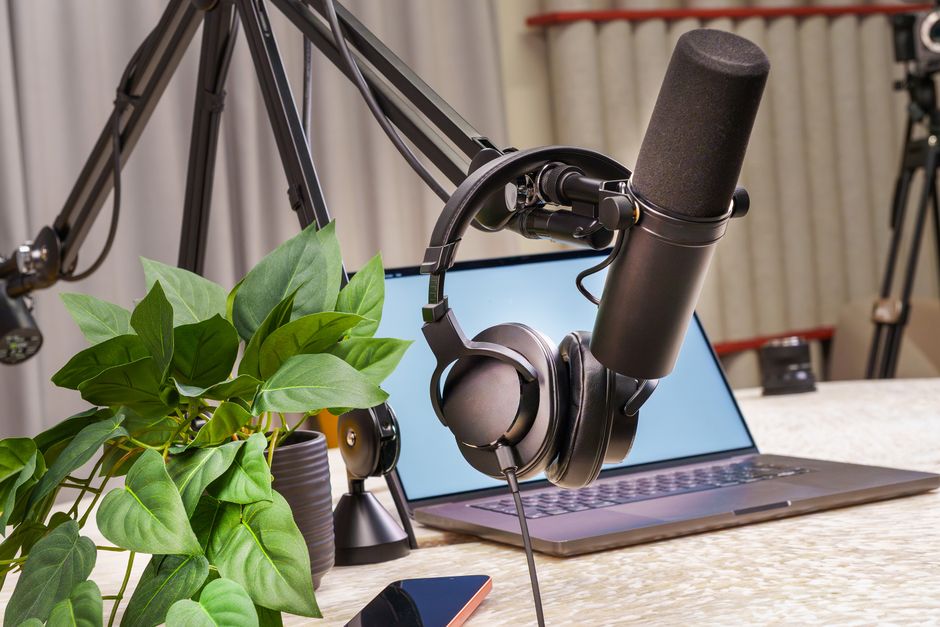
For intermediate learners of a new language, progressing from basic understanding to fluent comprehension often requires consistent exposure to authentic spoken material. Podcasts offer a flexible and accessible resource for this purpose, providing a wide range of topics, accents, and speaking speeds that can be adapted to individual learning goals. Unlike scripted dialogues, podcasts often feature natural conversations, interviews, and storytelling, which help learners encounter real-world language use in context.
Engaging with podcasts effectively involves more than passive listening. Techniques such as structured note-taking, deliberate replaying of segments, and shadowing—where learners repeat speech immediately after hearing it—can turn a simple audio file into a powerful tool for language development. These methods encourage active processing and can be adjusted to suit different proficiency levels within the intermediate stage.
In this article, we will explore how to select appropriate podcasts, apply these techniques, and integrate podcast listening into a regular study routine. The focus is on practical approaches that support comprehension and speaking skills without promising specific outcomes, as progress depends on various individual and contextual factors.
Choosing the Right Podcasts for Intermediate Learners
Selecting suitable podcasts is a foundational step for intermediate learners. At this stage, learners typically understand common vocabulary and basic grammar but may struggle with rapid speech, idiomatic expressions, or specialized topics. Podcasts designed for language learners or those that offer transcripts can bridge this gap. Some podcasts are produced specifically for intermediate learners, with slower speech and clear articulation, while others are authentic materials intended for native speakers. Both types have value, but the choice should align with current comfort levels and learning objectives.
When evaluating a podcast, consider factors such as topic interest, episode length, and the availability of supplementary materials. Topics that align with personal or professional interests can sustain motivation and provide repeated exposure to relevant vocabulary. Shorter episodes, perhaps 10 to 20 minutes, are often easier to review multiple times, while longer episodes may be better suited for extended listening sessions. Transcripts or show notes can assist with checking comprehension and clarifying unclear segments. It is also helpful to sample a few episodes to assess the speaker’s pace, accent, and clarity before committing to a series.
Diversity in accents and speaking styles is another consideration. Exposure to different varieties of the target language—such as American, British, or Australian English—can enhance overall listening adaptability. However, for intermediate learners, it may be beneficial to start with a consistent accent before branching out. Podcasts that feature a single host or a regular panel can provide this consistency, while interview-based shows introduce multiple voices. A balanced mix can gradually expand listening comfort without overwhelming the learner.
Ultimately, the best podcast is one that the learner finds engaging and can understand with moderate effort. If comprehension is too easy, the material may not challenge enough; if it is too difficult, frustration may hinder progress. A rule of thumb is to aim for podcasts where approximately 70–80% of the content is understood on first listen, with the remaining portion serving as a stretch goal. This range allows for both reinforcement and new learning.
Active Listening Techniques: Note-Taking and Replaying
Passive listening, while useful for exposure, may not fully develop comprehension skills. Active listening strategies, such as note-taking and targeted replaying, encourage deeper processing of the audio. Note-taking during podcast listening involves jotting down key points, unfamiliar vocabulary, or questions that arise. This practice helps maintain focus and creates a record for later review. However, it is important to avoid pausing too frequently, as this can disrupt the flow and reduce the ability to follow the overall narrative. Instead, learners might take notes at natural breaks or after listening to a segment.
There are several approaches to note-taking. One method is to outline the main ideas and supporting details using a structured format, such as bullet points or a mind map. Another is to note only new words and phrases, along with their context. Some learners prefer to write a brief summary in their own words after listening, which reinforces understanding and retention. The choice of method depends on individual preferences and goals. For intermediate learners, focusing on both gist and details can be beneficial.
Replaying segments is another powerful technique. When a particular section is difficult to understand, replaying it allows the learner to catch missed words, recognize connected speech patterns, or identify grammatical structures. It is often helpful to replay a segment multiple times before consulting a transcript. This process trains the ear to parse sounds and builds pattern recognition. After several attempts, comparing what was heard with the transcript can reveal discrepancies and highlight areas for improvement.
To implement replaying effectively, learners can break an episode into shorter chunks—perhaps 2–3 minutes—and work through each chunk systematically. For each chunk, they might listen once for overall meaning, then again for details, and finally a third time while reading the transcript. This layered approach can enhance both bottom-up (sound-based) and top-down (meaning-based) listening skills. It is also useful to revisit the same episode after a few days to reinforce learning.
Shadowing: Mimicking Native Speakers to Improve Fluency
Shadowing is a technique where learners listen to a segment and simultaneously repeat the words aloud, aiming to match the speaker’s pronunciation, intonation, and rhythm as closely as possible. This method is not about understanding every word initially; rather, it focuses on articulatory and prosodic features of the language. For intermediate learners, shadowing can help bridge the gap between comprehension and production, making speech more automatic and natural.
To begin shadowing, choose a short segment—perhaps 30 to 60 seconds—with clear audio and a speaker whose voice is easy to follow. Listen to the segment a few times to become familiar with the content. Then, play the audio and speak along with the speaker, trying to mirror their delivery. It may be necessary to start with slower segments and gradually increase speed. Some learners find it helpful to use a transcript initially, but the goal is to rely on auditory input alone. Recording oneself and comparing with the original can provide feedback on areas needing adjustment.
Shadowing should be practiced regularly but in short sessions to avoid vocal strain and mental fatigue. Consistency is more important than duration. Over time, this technique can improve pronunciation, rhythm, and overall oral fluency. However, it is not a substitute for meaningful communication practice; rather, it complements other speaking activities. Learners may also combine shadowing with note-taking or replaying to create a comprehensive listening routine.
Integrating Podcasts into a Regular Study Routine
To reap the benefits of podcast-based listening practice, it is essential to integrate it into a consistent study schedule. This does not require hours of daily commitment; even 15–20 minutes a few times a week can yield gradual improvement. The key is regularity and active engagement. Learners can designate specific times for podcast listening, such as during commutes, workouts, or household chores, turning otherwise idle time into productive practice.
A structured routine might include the following steps: first, select an episode and listen once without pausing to grasp the main idea. Second, replay the episode in segments, taking notes and looking up unfamiliar words or phrases. Third, choose a short segment for shadowing practice. Finally, summarize the content in writing or speech to reinforce learning. This cycle can be adapted to individual preferences and available time.
It is also beneficial to vary the types of podcasts and topics to maintain interest and expose learners to diverse language. Keeping a listening journal can help track progress and identify recurring challenges. Additionally, joining online communities or discussion groups related to the podcast can provide opportunities to use the language socially, further enhancing motivation and retention. Platforms like Lingua Forge offer structured resources that can complement podcast listening, providing exercises and feedback to support intermediate learners.
As with any learning strategy, results depend on multiple factors, including the learner’s prior knowledge, frequency of practice, and the quality of the materials. There is no one-size-fits-all approach, and learners are encouraged to experiment with different techniques to find what works best for them. The goal is to make listening practice an enjoyable and sustainable part of language learning.